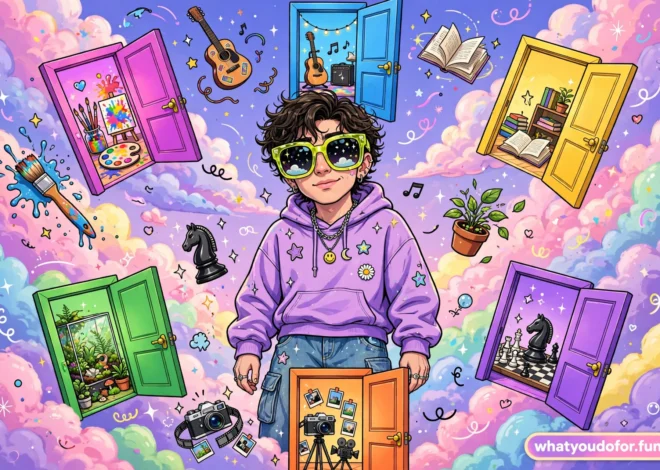
What Is a Good Hobby to Start for Adults?
What Is a Good Hobby to Start for Adults?
What is a good hobby to start for adults? The honest answer is the one you will actually do twice a week for a month. Reading, cooking, gardening, walking, drawing, playing music, photography, puzzles, writing and volunteering all make strong starting points, because each one is cheap to try, easy to begin badly and rewarding enough to keep going. The best choice depends on three things: how much time you have, how much money you want to spend and whether you want company or quiet. This guide explains how to pick, gives you ten beginner friendly options with a first step for each, and shows how to stick with the one you choose.
The Short Answer: Pick the One You Will Do Twice a Week
A good hobby for an adult beginner is one that passes three tests. First, you can start it this weekend without buying specialist equipment. Second, you can do it in the time you actually have, not the time you wish you had. Third, it gives you something back within the first few sessions: a finished page, a meal you cooked, a plant that survived, a song you can play badly but recognise. If a hobby fails any of those tests, it is not a bad hobby. It is just a bad first hobby. You can always come back to it later, once the habit of having a hobby is in place.
That habit matters more than the choice itself. A study published in Nature Medicine in 2023 looked at 93,263 people aged 65 and over in 16 countries, including England, the United States, Japan and China, and followed them for four to eight years. Having a hobby was linked to fewer symptoms of depression and higher happiness, self rated health and life satisfaction, and the link with life satisfaction was the strongest. The study was observational, so it cannot prove that hobbies cause the improvement, and the researchers were clear about that. But the pattern held across countries and cultures, and it held after they accounted for income, work and relationship status. The point is not that one hobby beats another. The point is that having one at all is associated with better wellbeing, so the best hobby is the one you keep.
Why Adults Struggle to Start a Hobby
Most adults do not lack interests. They lack a low pressure way in. Work, family and chores fill the week, and the spare hours that remain feel too small for anything serious. Then there is the beginner problem: watching someone good at a hobby makes starting feel pointless. A guitarist on video makes three chords look like a lifetime of practice. A gardener with a perfect allotment makes your first seed tray look like a mistake. Both of them started exactly where you are now.
There is also the quitting problem. A survey of 2,000 UK adults commissioned by Stannah found that people enjoy an average of three hobbies a week and spend more than eight hours on them, but one in ten people aged 18 to 24 said they had quit a hobby because they did not have anyone to help them. That is a fixable problem. A class, a club, a friend or even a good beginner book turns a lonely struggle into something shared. If you have quit hobbies before, it probably was not the hobby. It was the lack of support at the hard early stage.
Finally, many adults feel guilty about leisure. A hobby can look like time stolen from useful things. The NHS disagrees. Its five steps to mental wellbeing include learning new skills, and it specifically suggests trying new hobbies such as writing a blog, taking up a new sport or learning to paint. Research behind that advice shows that learning new skills can improve mental wellbeing by building confidence and giving a sense of purpose. A hobby is not a luxury you earn after everything else is done. It is part of looking after yourself.
How to Choose: Three Questions Before You Spend a Penny
Before you buy anything, answer three questions honestly.
How much time do you really have? Count the spare hours in a normal week, not a holiday week. If the answer is two hours, choose a hobby that works in half hour sessions: reading, drawing, a language app, a puzzle. If you have a whole Sunday afternoon, gardening, cooking and hiking open up. A hobby that needs three hour blocks will die in a two hour life.
Do you want people or peace? Some hobbies are social by nature: team sports, choirs, dance classes, board game nights, volunteering. Others are best alone: reading, journaling, model making, solo walking. Neither is better, but picking against your nature is the fastest way to quit. Introverts who force themselves into a loud group class often stop going. Extroverts who pick a solitary hobby often get bored and blame the hobby.
What did you like as a child? This is the most reliable shortcut there is. The things you enjoyed before work, bills and self consciousness got in the way are usually still there. If you liked drawing, try sketching. If you liked taking things apart, try basic woodwork or electronics kits. If you liked being outside, try gardening or birdwatching. Childhood taste is not destiny, but it is a better guide than a trending list.
Once you have your answers, try the balance test from our guide to the 3 hobby rule: one hobby to keep you active, one to keep you creative and one to make you money. You do not need all three at once. But if your only hobby is sitting down, add a moving one. If every hobby is solitary, add a social one. Balance keeps the whole set alive.
10 Good Hobbies to Start as an Adult
These ten are ordered from the easiest to start to the ones that need a little more commitment. Each one lists what you need, what it costs to begin and your first step.
1. Reading
Reading is the most popular hobby in Britain for a reason. YouGov polling puts reading among the top five leisure activities in the UK, alongside listening to music, using the internet, travelling and eating out. It costs almost nothing to start: a library card is free, and most libraries now lend ebooks too. It fits any schedule, because ten pages before bed still counts, and it travels anywhere. The only real barrier is the first book. Pick something short and enjoyable rather than something impressive. If you want a method for choosing, our guide to how to start reading as an adult walks through it step by step, and the 50 page rule gives you permission to quit a book that is not working. First step: borrow one book you actually want to read and finish the first chapter tonight.
2. Cooking and baking
Cooking is a hobby with a built in reward: you get to eat the result. You already own most of the equipment, and a single recipe is a complete beginner project with a clear ending. Baking is especially friendly for beginners because recipes are precise and forgiving at the simple end. A loaf of soda bread needs four ingredients and no special skill. Start with one dish you love eating, cook it three times until it is yours, then move on. First step: pick one recipe, buy the ingredients, and cook it this weekend.
3. Gardening
Gardening is the most popular hands on hobby in the UK. A YouGov survey for the Horticultural Trades Association in December 2024 found that 55 percent of UK adults garden as a hobby, about 18.1 million people, and a third call themselves regular gardeners. That makes gardening more popular than going to the cinema or taking part in sport and exercise. You do not need a garden. A windowsill, a balcony pot or a community allotment all count. Herbs are the classic first project because they grow fast, smell good and end up in your cooking. Gardening also gives you gentle exercise, fresh air and something living that depends on you, which is a surprisingly strong reason to keep going. First step: buy one pot, one bag of compost and one herb plant, and keep it alive for a month.
4. Walking and hiking
Walking is the lowest barrier hobby there is. You need shoes you already own and a door. It is free, it works in any weather with the right coat, and it is easy to make social by joining a local walking group or inviting a friend. The Ramblers organises group walks across Britain, and most local groups welcome beginners without any joining pressure. Walking also pairs well with other hobbies: photography, birdwatching, listening to audiobooks or podcasts. First step: walk a route you have never taken, for thirty minutes, and notice three things you have never noticed before.
5. Drawing and sketching
Drawing has one of the best effort to reward ratios of any creative hobby. A pencil and a cheap sketchbook cost a few pounds, and you can see yourself improving within weeks. You do not need talent to start, you need repetition. Fifteen minutes a day of drawing what is in front of you beats a monthly three hour session. There is also a wellbeing angle: Mental Health America cites an experiment in which a single 45 minute art making session lowered levels of the stress hormone cortisol in 75 percent of participants. You do not need to frame anything or show anyone. A private sketchbook is enough. First step: draw the mug on your table, badly, today. Then draw it again tomorrow.
6. Learning an instrument
Music is the hobby adults most often say they wish they had started earlier, and it is never too late. The ukulele is the classic adult beginner instrument: cheap, small, and you can play a recognisable song within a week. Piano apps and second hand keyboards make piano accessible too, and many community choirs welcome people who cannot read music. The trick is to practise little and often rather than in rare long sessions. Ten minutes a day beats two hours on a Sunday. First step: borrow or rent an instrument before you buy one, and learn three chords.
7. Photography
Photography starts with the camera already in your pocket. Modern phones take photographs good enough to print, so the beginner cost is zero. The skill is not in the equipment but in learning to see: light, framing, timing. A daily photo challenge, one photograph a day for thirty days, is a popular way to build the habit without any pressure. Local camera clubs often run beginner friendly outings, and online communities will give honest feedback if you ask for it. First step: take ten photographs of the same street at different times of day and compare them.
8. Puzzles, board games and chess
Jigsaws, crosswords, Sudoku, board games and chess all share the same appeal: a clear problem, a quiet mind and a definite finish. They are cheap, they work alone or with others, and they fit into short gaps in the day. Chess in particular has seen a surge of adult beginners, helped by free apps that match you with players at your level and teach as you play. Board game cafes have spread across British towns and are an easy way to try games before buying them. First step: download a free chess app or buy a 500 piece jigsaw and do the edges tonight.
9. Writing and journaling
Writing needs nothing but a pen or a keyboard. Journaling is the simplest form: a few lines each evening about what happened and how it felt. It costs nothing, it takes five minutes, and many people find it helps them think more clearly. If journaling feels too private, try a blog, a short story, or a letter to a friend you never send. Writing also connects to other hobbies: a garden diary, a walking log, a recipe notebook. First step: write three sentences about today before you go to bed.
10. Volunteering
Volunteering is the hobby that gives back twice: you get the purpose and the company, and someone else gets the help. It is also the easiest hobby to try without spending anything. Food banks, animal shelters, community gardens, litter picking groups, charity shops and befriending schemes all need regular helpers, and most ask for as little as two hours a week. The NHS five steps to mental wellbeing include giving to others, and volunteering is the most direct version of that. If you want a hobby that gets you out of the house and into your community, this is it. First step: search for one local opportunity and send one enquiry email.
Hobbies for a Busy Life, a Small Budget or a Small Home
Your circumstances narrow the list, and that is helpful rather than limiting.
If you have very little time, choose hobbies that work in short bursts: reading, drawing, journaling, puzzles, a language app, a daily photograph. Ten minutes counts if you do it most days.
If money is tight, start with walking, reading from the library, drawing, journaling, volunteering or bodyweight exercise. Avoid hobbies that need expensive equipment before you know you enjoy them. Rent or borrow first.
If you live in a small flat, choose hobbies that fit in a drawer: drawing, knitting, puzzles, writing, an instrument you can put away, a windowsill herb garden. Avoid anything that needs a workbench until you know it is a keeper.
If you want to meet people, choose hobbies with built in company: a choir, a sports club, a dance class, a book group, a volunteer shift, a board game night. The activity is the excuse. The people are the point.
If you want to be alone, choose reading, gardening, walking, drawing, photography or journaling. Solitude is a legitimate reason to pick a hobby, and you do not owe anyone an explanation for it.
How to Stick With a New Hobby
Starting is easy. Week three is where hobbies die. These five rules keep yours alive.
Set a tiny minimum. Ten minutes, one page, one sketch, one song. A minimum so small you cannot fail it keeps the streak alive on bad days, and most days you will do more once you start.
Schedule it like an appointment. A hobby that lives in spare time gets squeezed out by everything else. Put it in the calendar at the same time each week and protect it the way you would protect a dentist appointment.
Expect to be bad at it. The first month of any hobby is mostly clumsy. That is not a sign you chose wrong. It is a sign you are learning. Judge a hobby after ten sessions, not after one.
Make it social, even lightly. Tell a friend what you are doing, join an online group, or go to one beginner class. The Stannah survey finding is worth remembering here: one in ten young adults quit a hobby because they had nobody to help them. A little company at the start changes the odds.
Allow yourself to quit, properly. If you have given a hobby a fair trial and it still feels like a chore, stop. Quitting a hobby is not failure. It is information. The 50 page rule for books applies to hobbies too: give it a fair chance, then decide honestly and move on to the next one without guilt.
What If You Try One and Hate It?
Then you have learned something useful. Maybe the hobby was wrong, or maybe the version of it was wrong. Hating a silent solo painting class does not mean you hate painting. It might mean you need a louder class, a different teacher or a friend beside you. Before you abandon a hobby completely, change one variable: the time of day, the place, the people or the difficulty. If it still does not work, drop it and try the next one on the list. Most people try three or four hobbies before one sticks, and that is normal. The only real mistake is deciding that hobbies are not for you because the first one did not fit.
Frequently Asked Questions
What is a good hobby to start for adults with no free time?
Reading is the best answer for adults with almost no free time, because ten pages before bed still counts and a library card is free. Drawing, journaling and puzzles also work in ten minute bursts. The trick is to pick something that fits the time you actually have, not the time you wish you had, and to set a minimum so small you cannot fail it.
What is the cheapest hobby to start as an adult?
Walking is the cheapest hobby to start, because it needs only shoes you already own. Reading from the library, journaling, drawing with a pencil and paper, and volunteering are all free or nearly free. Avoid hobbies that need expensive equipment until you know you enjoy them, and rent or borrow first where you can.
How do I find a hobby I will actually stick with?
Start with what you enjoyed as a child, then test it properly: ten sessions before you judge it. Schedule it like an appointment, set a tiny daily minimum, and add a little company, even just telling a friend what you are doing. If it still feels like a chore after a fair trial, quit without guilt and try the next one. Most people try three or four hobbies before one sticks.
Is it too late to start a hobby as an adult?
No. Adults start hobbies at every age, and the research on hobbies and wellbeing covers people aged 65 and over. A 2023 study in Nature Medicine followed 93,263 people aged 65 and over in 16 countries and found hobby engagement was linked to fewer depressive symptoms and higher life satisfaction. There is no age at which starting is too late, and no age at which it stops helping.
What is a good hobby for adults who want to meet people?
Choirs, team sports, dance classes, book groups, board game nights and volunteering all build company into the hobby itself. The activity is the excuse and the people are the point. If you are shy, a structured class with a teacher is easier than an open social group, because the activity gives everyone something to do together.
How many hobbies should an adult have?
Three is a good number. Our guide to the 3 hobby rule suggests one hobby to keep you active, one to keep you creative and one to make you money. You do not need all three at once, and a survey of 2,000 UK adults found people enjoy an average of three hobbies a week. Start with one, add a second when the first feels settled, and let the third come naturally.
Related Reading
Sources
- Mak, H. W., Noguchi, T., Bone, J. K., Wels, J., Gao, Q., Kondo, K., Saito, T. and Fancourt, D. (2023). Hobby engagement and mental wellbeing among people aged 65 years and older in 16 countries. Nature Medicine, 29, 2233 to 2240. DOI: 10.1038/s41591-023-02506-1
- University College London (2023). Hobbies linked to lower depression levels among older people, summary of the Nature Medicine study. nature.com
- Horticultural Trades Association (2025). Gardening as a hobby amongst UK adults. YouGov survey, December 2024. hta.org.uk
- Rugby Observer (2025). New year, new past time: the most popular UK leisure activities revealed. YouGov polling. rugbyobserver.co.uk
- NHS. 5 steps to mental wellbeing. nhs.uk
- Mental Health America. Why hobbies are good for your mental health. mhanational.org
- Iceni Magazine. The UK is still a nation of traditionalists when it comes to pastimes. Stannah survey of 2,000 adults. icenimagazine.co.uk

Related Posts
What Is the 2-2-2 Rule for Couples?

What Is the 7 7 7 Rule for Couples?