This Popular Hobby May Speed Stroke Recovery: What the New Research Says
We all know hobbies are good for the soul. But what if a hobby could also help someone relearn how to talk? That is exactly what a team at the University of Montana is finding with one of the world’s most beloved pastimes. New research on hobby stroke recovery suggests birdwatching may play a real role in helping stroke survivors with speech difficulties reconnect with conversation – and the story began with owls.
The hobby stroke recovery research: what the scientists found
Each summer, stroke survivors enrolled in the University of Montana’s Intensive Comprehensive Aphasia Program join bird-themed activities run by bird researchers and speech-language experts. The idea was not some grand plan. Back in 2021, on an outdoor campus patio, program participants simply said they wanted to learn more about owls. Owl artifacts – specimens and related materials – sparked curiosity, and that curiosity got people talking.
Five years later it is an official part of the program, with research published in the journal Frontiers in Bird Science. The team – avian ecologist Dr. Victoria Dreitz, program co-director Dr. Jenna Musick, and Professor Catherine Off – found that avian observation supports communication, engagement, and quality of life for people living with aphasia.
For the uninitiated, aphasia affects around one in three stroke survivors, making speaking, reading, writing, and understanding difficult. Professor Off puts it bluntly: “Aphasia is an identity theft. People with aphasia do not have intellectual challenges. They are themselves inside their own head. The challenge is that their language function has changed.”
Why birds? The low-pressure magic of shared curiosity
Here is the part I find genuinely charming. Birding works precisely because it takes the pressure off. Dr. Musick explains that “the linguistic demand is low, and people can participate at whatever level they want.” Nobody has to perform. You can point, nod, or just watch a hawk soar and share the moment.
Dr. Dreitz says birds are almost comically well suited to this: birdsong, flapping wings, seasonal rhythms, and birds turning up everywhere make them accessible and interesting. Her line is worth remembering: “Your entry point can be anywhere – from sitting and staring out a window to mapping out a trail to see a unique species. You can start where you’re at.”
This year, the team added sound – listening to bird calls with visual support – plus a full-day outdoor session with hiking. Therapists help with balance and equipment so people with stroke-related weakness can join in. And the best bit? Participants go home and talk to their families about what they saw. “It creates ongoing conversation,” says Dr. Musick.
The team is now measuring outcomes, training clinicians, and expanding the model so similar programs could help stroke survivors far beyond Montana. Details: Medical Xpress and Edinburgh Live.
How to try birdwatching as a complete beginner
Birding is one of the classic “grandma hobbies” making a comeback. It costs almost nothing, and you can start from a kitchen chair.
1. Start where you are
Seriously. Dr. Dreitz’s whole philosophy is “what do you have in your backyard?” Open a window, look at a park, or even watch the feeder videos on YouTube. You do not need to trek into the wilderness on day one.
2. Grab the basics
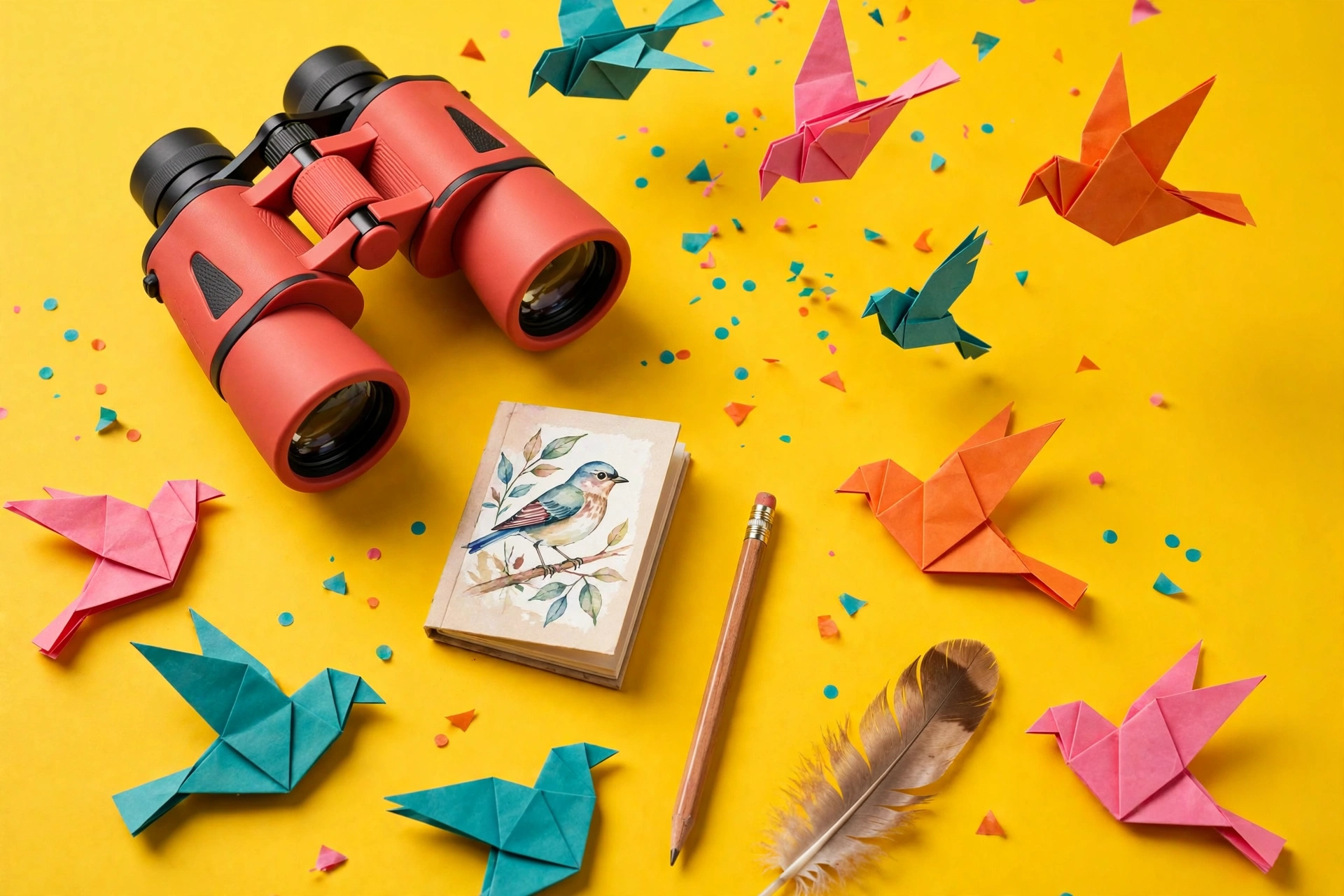
All you truly need is your eyes. After that, a simple pair of budget binoculars and the free Merlin Bird ID app, which identifies birds from photos and sounds. A notebook for sightings adds a lovely journaling layer.
3. Go slow and small
Try our 5-minute hobby rule – five minutes of watching on day one. Learn one bird. Then maybe two. Birding rewards patience, which is part of why it calms the mind.
4. Join a group
Birding shines as a social hobby that builds friendships. Local bird walks are usually run by volunteers who love explaining what they are seeing – you will feel like one of the gang in no time.
A note on gifting
This also makes a cracking gift idea. A budget pair of binoculars, a pocket bird guide, and a handwritten note saying “let’s go spot something together” is a present with actual thought behind it. Just keep it low-key: the whole point is zero pressure.
Quick FAQ
Is birdwatching really linked to stroke recovery?
The Montana research is early-stage – the team is still tracking formal outcomes – but so far bird-centered activities are supporting communication and quality of life for stroke survivors with aphasia. Promising, not proven, and alongside clinical therapy, never instead of it.
Do you need to be fit or outdoorsy to start birding?
No. You can bird from a window, a balcony, or a park bench. The Montana program itself accommodates people with stroke-related weakness. Your entry point can be anywhere.
Is birdwatching expensive?
Start free with your eyes and a bird ID app. Budget binoculars run $25 to $50, and that is enough for years of happy watching.
A quick note: this is fascinating research to follow, not medical advice. Stroke recovery is deeply personal – any therapy changes should go through the survivor’s own doctors.
I love a hobby story that surprises me. Knitting relaxes, running energizes, and now birdwatching – binoculars, bird calls, and all – might help people find their words again. Not bad for something you can start this weekend from your back garden.

Related Posts
Why Do My Weekends Feel So Short?
What Is the 2-2-2 Rule for Couples?