7 Old-School Fiber Crafts Making a Comeback (and How to Start Each One)
Fiber arts are having a moment. Knitting, crochet, embroidery and their cousins, once filed under “grandma hobbies,” are now all over TikTok, craft clubs and yarn shop aisles. The Wall Street Journal reported in 2025 that 86% of Gen Z identify as crafters, and Mintel’s US Arts and Crafts Consumer Report found 71% of all US consumers now call themselves crafters. If you have been curious, here are seven fiber arts hobbies beginners can try, ranked from easiest start to most involved, with exactly what you need for each.
1. Crochet
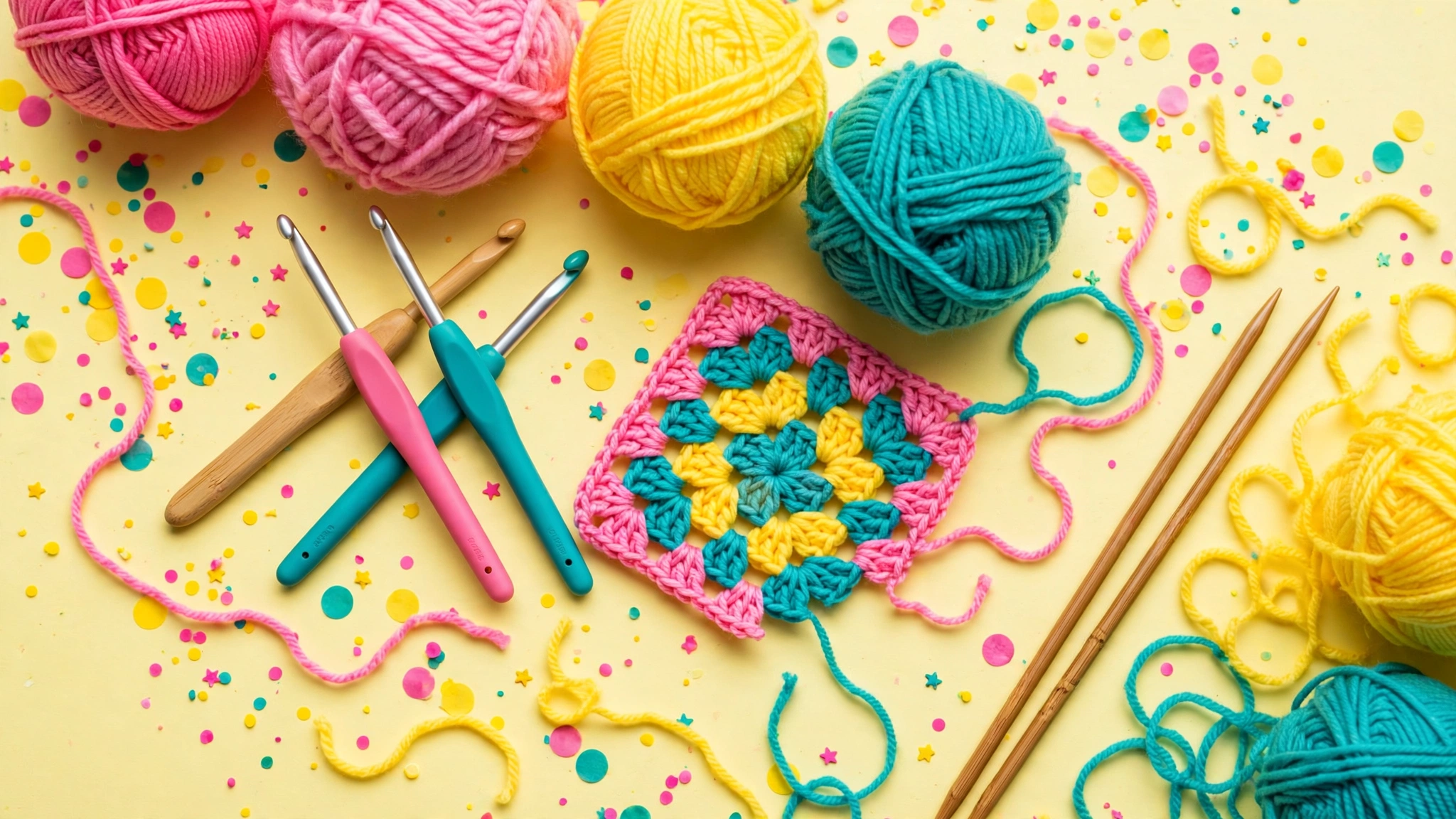
The people’s champion of the fiber revival. One hook, one ball of yarn, and you can make a granny square within an hour. Starter kit: a 5mm hook and a skein of medium-weight acrylic yarn (under $15 total). Learn the chain stitch and single crochet from any free video tutorial and you are off. Why people love it: fast results, portable, forgiving of mistakes.
2. Knitting
Crochet’s slightly more patient sibling. Two needles, endless possibilities, from scarves to sweaters. Starter kit: a pair of 5mm straight needles and chunky yarn, which makes stitches big enough to see what you are doing. Begin with a simple garter-stitch scarf. The rhythm of knit rows is famously meditative, and knitters swear by it as a screen-free wind-down ritual, making it one of the fiber arts hobbies beginners return to most.
3. Punch needle
The breakout star among younger makers. You punch loops of yarn through fabric stretched on a frame, making rugs, wall hangings and cushions with a texture somewhere between embroidery and carpet. Starter kit: a punch needle tool, monk’s cloth and yarn (around $25). Of all the fiber arts hobbies beginners try, punch needle is one of the most satisfying: your first finished piece looks impressively professional.
4. Embroidery
Drawing with thread. An embroidery hoop, a needle, floss and any plain fabric are all you need, often under $10. Start with five basic stitches (running, backstitch, satin, French knot, chain) and you can decorate clothes, tote bags and wall art. Visible mending, stitching decorative patches over worn spots, is embroidery’s coolest sub-trend, and one more reason it tops lists of fiber arts hobbies beginners try first.
5. Macrame
Knot-based craft for wall hangings, plant hangers and bags. No needles or hooks at all, just cord and your hands. Starter kit: 3mm cotton cord and a wooden dowel (about $15). Learn the lark’s head and square knot and you can finish a plant hanger in an afternoon, which puts macrame high on every list of fiber arts hobbies beginners love. It doubles as home decor, which helps justify the yarn stash to skeptical housemates.
6. Weaving
A small frame loom turns yarn into wall hangings, coasters and scarves. Starter kit: a lap loom kit (around $20-30) with yarn included. Weaving teaches color and texture faster than any other fiber craft because you see the pattern emerge row by row. It is the most “art class” feeling of the bunch, in the best way.
7. Spinning
The deep end: turning raw fiber into your own yarn with a drop spindle. A beginner spindle and a bag of wool roving cost about $20, and the learning curve is steeper, but spinners describe the moment their first uneven skein comes off the spindle as genuinely magical. Fair warning: this is the hobby that turns into a lifestyle.
Why now? It is not just nostalgia
Analysts point to a few converging forces. Screen fatigue is real: a Pew survey found about half of US adults feel their smartphone use is excessive, and repetitive handwork offers a built-in break from scrolling. Fast-fashion fatigue pushes people toward making things that last.
And the pandemic crafting boom never faded; it matured into craft nights, clubs and workshops, with 71% of Gen Z and millennials interested in joining a craft club. For fiber arts hobbies beginners, the appeal is simple: pick up one hook or needle and you are making something real within the hour. As one fiber artist put it, in an AI-accelerated world, handcrafting is a small act of resistance: slow, mindful and proudly unproductive.
Cost-wise, every craft on this list starts for under $30, which compares well with what each generation spends on hobbies. If you are comparing fiber arts hobbies beginners can afford and finish in a weekend, start here: pick the one whose finished objects make you happiest, grab the starter kit, and give yourself one slow weekend. Your grandmother was onto something.
Frequently asked questions about fiber arts hobbies beginners
What are the easiest fiber arts hobbies beginners can start?
Crochet is generally the easiest start: one hook, one yarn, and simple stitches you can learn in an evening. Punch needle is a close second for fast, satisfying results.
How much does it cost to start knitting or crochet?
Under $15. A basic hook or pair of needles plus a skein of medium-weight yarn is enough for your first several projects.
Are fiber arts good for stress relief?
Many makers say yes. The repetitive motions of knitting and crochet are widely described as meditative, and researchers have long associated rhythmic handwork with reduced stress, though it is a complement to, not a replacement for, proper mental health care.